Colour Psychology & Emotion Recognition
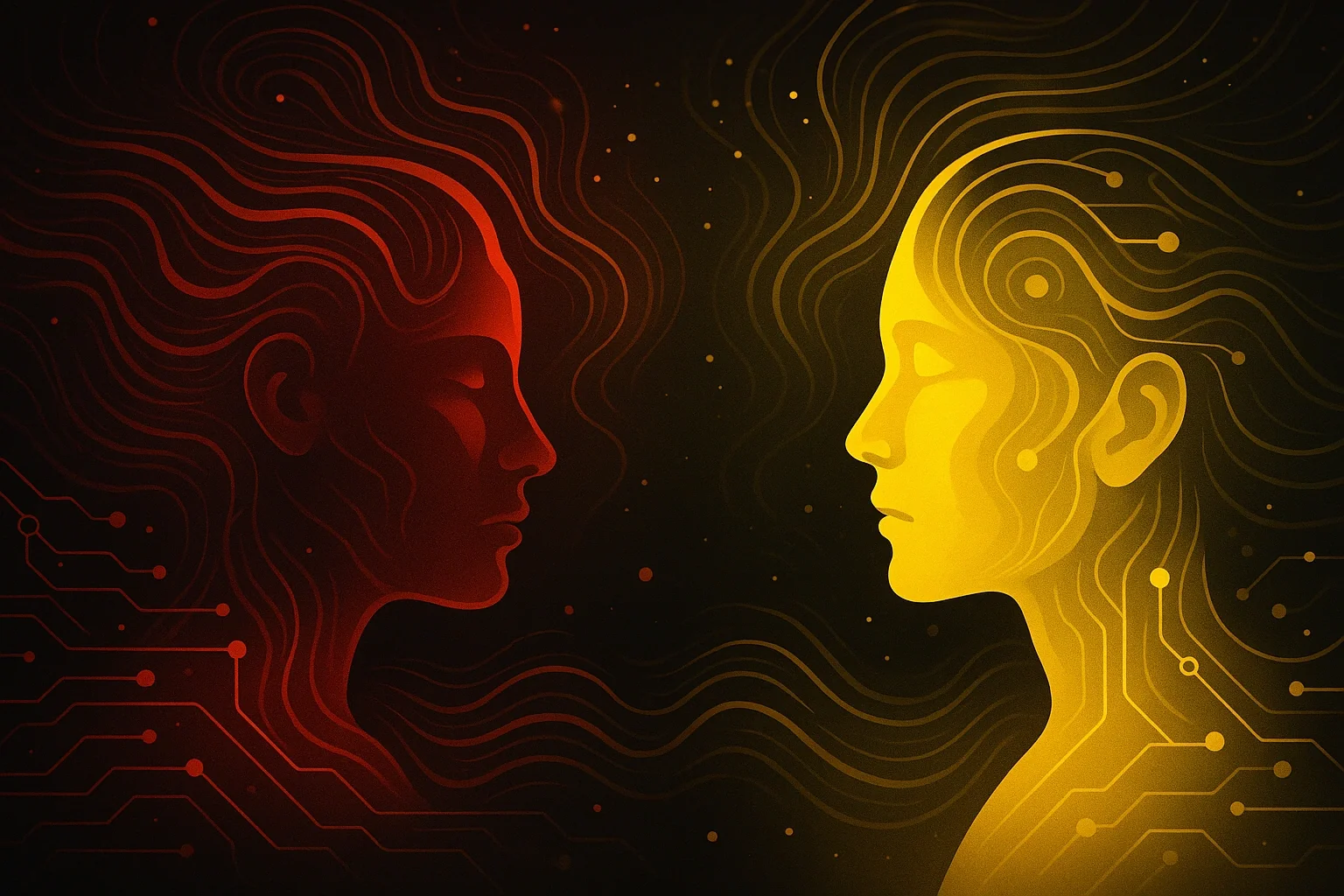
Colours are more than wavelengths of light; they are triggers for emotion, memory and behaviour. Warm reds can quicken the pulse and heighten alertness, while golden yellows may evoke joy and comfort. Artificial intelligence is learning to decode these responses by analysing how people interact with coloured interfaces, advertisements and artworks. Using classification algorithms, models map specific hues and combinations to emotional states such as excitement, calmness or melancholy. Clustering techniques group individuals by their colour preferences and sensitivities, revealing patterns that transcend age, gender or culture. Regression models then quantify the strength of these associations and predict how subtle shifts in saturation or contrast will influence mood.
These insights enable a wave of personalised experiences. A meditation app might detect that a user responds best to muted yellows and adjust its interface accordingly; an e‑commerce platform could recommend products presented in colours that align with a shopper’s current mood. In mental‑health contexts, colour‑aware AI may help therapists monitor changes in a patient’s emotional state by analysing the palette of images they create or select. Marketers use predictive analytics to forecast which colour schemes will drive higher engagement for different segments, testing variations in real time and refining their strategies based on data.
However, colour psychology is not universal. Cultural norms shape how we interpret hues: in some countries, red signifies prosperity and good fortune, whereas elsewhere it signals danger or passion. Data sets used to train emotion‑recognition models must therefore reflect global diversity, and algorithms should account for individual variation rather than imposing one‑size‑fits‑all interpretations. Ethical application requires transparency about how emotional inferences are drawn and safeguards to prevent manipulation. Designers should also consider accessibility, ensuring sufficient contrast for users with visual impairments and providing alternatives for those sensitive to bright colours.
The future of emotion recognition lies in multimodal understanding. AI systems will combine colour analysis with facial expressions, speech patterns and physiological signals to build a richer picture of human affect. Advances in unsupervised learning could uncover new associations between colour and emotion without relying on pre‑labelled data. Ultimately, combining quantitative rigour with cultural awareness and human empathy will allow colour‑sensitive AI to enrich our lives rather than oversimplify them.